How Tracking Your Diecast Collection in Your Head Hurts Your Hobby
A lot of collectors start the same way:
“I don’t need a list. I know what I have.”
And sure… that works when your collection is 20–30 cars. But once you hit 100, 200, 500+ models?
Yeah, memory doesn’t stand a chance.
Tracking your diecast collection in your head might feel simple and “no big deal,” but it usually ends in frustration, duplicates, missed finds, and a whole lot of second-guessing. Here’s why relying on your brain alone is one of the worst “systems” you can use.
1. Your memory is not designed for 500+ variations
Hot Wheels alone releases hundreds of new models every year. Add in Matchbox, Mini GT, Majorette, Auto World, premium lines, recolors, wheel variations, chase versions…
Suddenly you’re trying to memorize:
-
colors
-
series
-
year
-
card versions
-
premium vs. mainline
-
errors
-
wheels
-
loose vs. carded
Your brain simply wasn’t built for that level of cataloging. Even if you’re sharp, the details blur together fast.
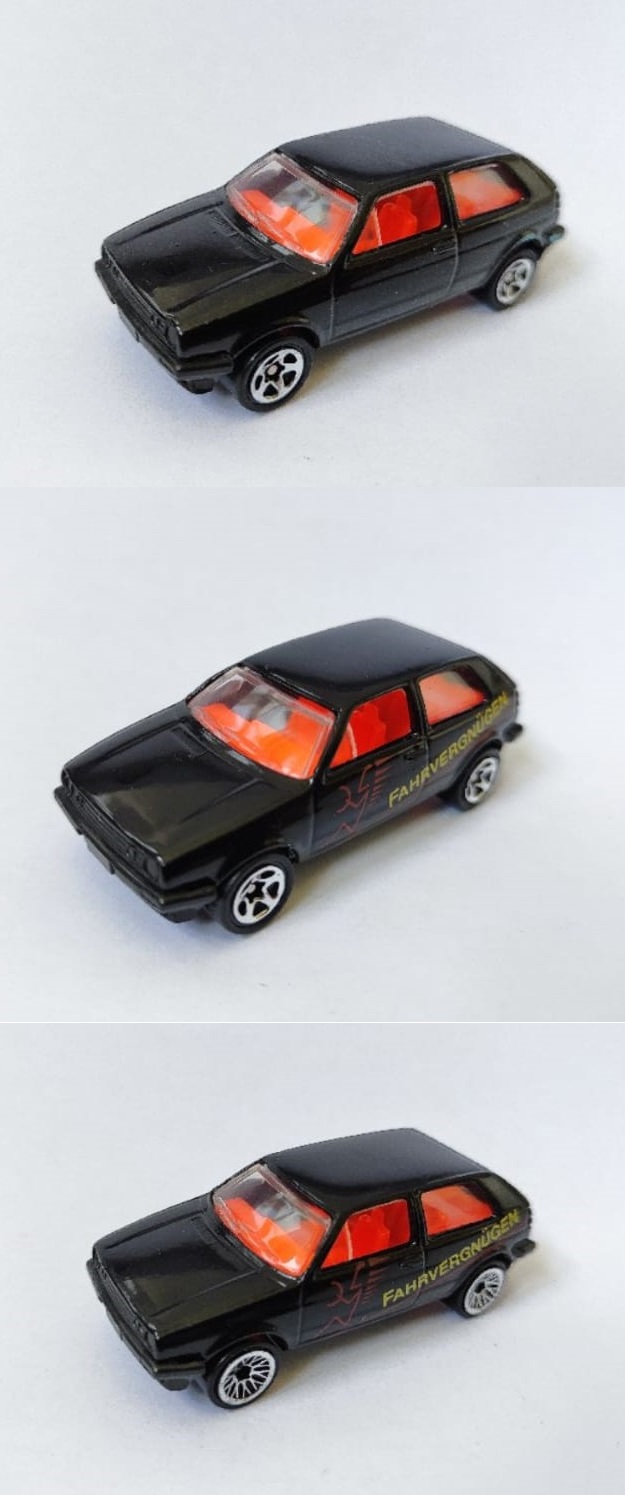
Look here at this example of a Hot Wheels Golf MK2. The basic version is the black color, but do you know that there are 2 more variations with the same black color, same tampo but different wheels. This is hard to remember when your buying models, which exactly wheels variation you have at home.
2. Duplicates happen - way more than collectors admit
Ask any long-time collector and they’ll tell you:
“Yeah… I’ve bought a duplicate or two.”
Not because they wanted to.
Because they thought:
“I think I have this one… or maybe not?”
When you’re standing in a store, excited, adrenaline pumping, trying to recall if your version had black rims or chrome ones… your brain will lie to you. And duplicates follow.
3. Forgetting what you don’t have is even worse
Memory doesn’t just fail at remembering what you own - it also ruins your chance to hunt efficiently.
If you can’t remember:
- which recolors you still need,
- which year of the casting you’re missing,
- which premium version you’re hunting…
You waste time, skip things you should buy, or walk right past something you’ve been searching for.
4. Big collections become impossible to “picture” mentally
Once you go over 200 models, your collection becomes a blur of:
- bins
- cases
- stacked containers
- loose shelves
- drawers
Try remembering what’s in which box from memory?
Good luck.
The bigger the collection, the more your internal “map” breaks down.
5. You lose track of condition and value
Card condition, loose condition, price paid, market value - these details matter, especially if you buy, trade, or sell.
Your head simply can’t store:
- which one had a soft corner
- which premium was $7.99 and which was $12.99
- which loose car had paint chips
- which casting suddenly jumped in value
- to whom goes this model and for what price
And when you think you remember wrong, you make bad decisions.
6. You can’t share your collection with friends
When someone asks:
"How many cars do you have?"
or
"Do you have that new Porsche GT3?"
Saying:
"I think so… I can't remember…"
doesn’t really hit the same as showing your collection cleanly, instantly, and proudly.
Tracking in your mind means your collection stays stuck inside your mind.
Nobody else gets to enjoy it.
7. Conversations lose their spark
Imagine this:
You’re chatting with a fellow collector.
You mention an amazing model you love.
They say: “Let me see it!”
I don’t have it anywhere I can show you, it is in my head. I can search on Google or Ebay, but the moment dies.
The hype disappears.
You both move on.
When your collection isn’t searchable or easy to show, impulse excitement fades instantly.
8. Life gets busy - and collecting deserves better
Work, family, stress, daily tasks… your brain is already full.
Expecting it to track 300–800 diecast cars on top of everything else?
Not realistic.
And honestly - your collection deserves more respect than your overworked memory can give it.
9. One bad day and everything resets
Memory is fragile.
One long break from collecting…
One stressful week…
One storage reorganization…
…and boom:
Your “mental inventory” is completely scrambled.
You’re basically starting from zero.
A Better Way Than Your Memory
Your collection is more than random cars in boxes - it’s a hobby, a passion, and for many people, an investment.
Trying to manage all that in your head is simply setting yourself up for mistakes.
That’s why collectors use dedicated tools like the Diecast Parking App, which lets you track:
- every model
- every variation
- prices
- conditions
- photos
- and even display your cars in a clean, beautiful way
No more guessing.
No more duplicates.
No more “uhhh… I don’t remember.”
Just a collection you can enjoy - and confidently show off.